Sew Smart: Essential Sewing Tips for Every Skill Level

Whether you’re threading your first needle or already have a sewing room stocked with fabric, there’s always something new to learn in the world of sewing. From mastering straight stitches to choosing the right fabric for the job, smart sewing habits can make all the difference between frustration and satisfaction. In this article, we explore essential sewing tips designed to improve technique, save time, and enhance the final result—no matter your experience level.

Start with the Right Tools

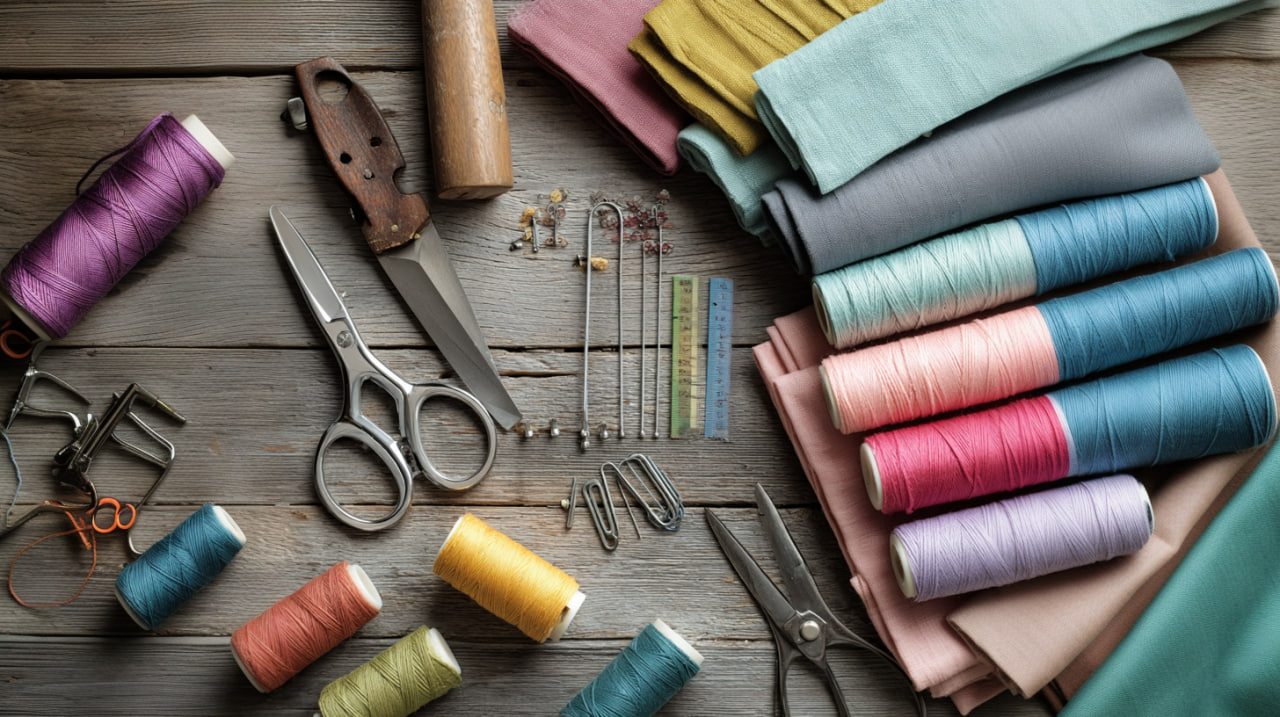
A successful sewing project begins with quality tools. Investing in a few reliable basics can save time and prevent common mistakes.

✔ Sharp Fabric Scissors: Never use your fabric scissors for paper—this dulls the blade quickly. Keep them reserved exclusively for cutting cloth.

✔ Seam Ripper: Even seasoned sewists make mistakes. A good seam ripper allows you to remove stitches cleanly and quickly.

✔ Measuring Tape and Ruler: Accurate measurements are key. Always measure twice before cutting once.

✔ Pins and Clips: Use glass-head pins for heat resistance and fabric clips for thicker materials like leather or denim.

✔ Iron and Ironing Board: Pressing seams and hems as you go leads to cleaner, more professional results.

Understand Your Sewing Machine

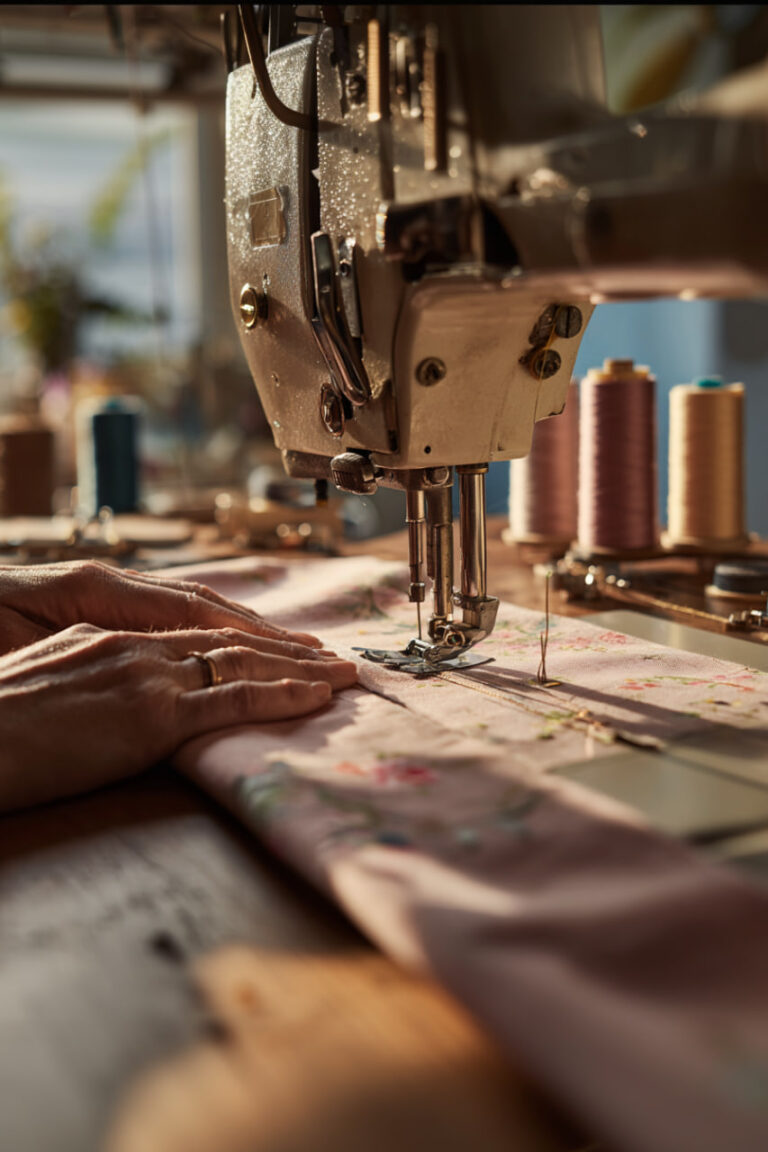
Too often, sewists skip reading their machine’s manual—a mistake that can lead to skipped stitches, tension issues, and frustration.

✔ Know Your Settings: Understand how to adjust stitch length, tension, and presser foot pressure.

✔ Change Needles Regularly: A dull or bent needle can cause skipped stitches or fabric snags. Replace your needle every 8–10 hours of sewing or when changing fabric types.

✔ Clean and Oil Your Machine: Regular maintenance keeps your machine running smoothly and extends its lifespan. Follow the manufacturer’s cleaning recommendations.

Understand Your Sewing Machine

Too often, sewists skip reading their machine’s manual—a mistake that can lead to skipped stitches, tension issues, and frustration.

✔ Know Your Settings: Understand how to adjust stitch length, tension, and presser foot pressure.

✔ Change Needles Regularly: A dull or bent needle can cause skipped stitches or fabric snags. Replace your needle every 8–10 hours of sewing or when changing fabric types.

✔ Clean and Oil Your Machine: Regular maintenance keeps your machine running smoothly and extends its lifespan. Follow the manufacturer’s cleaning recommendations.

Choose the Right Fabric and Thread

Understanding fabric behavior is crucial to garment construction.

 Match Fabric to Project: Lightweight cottons are great for beginners, while knits, silks, and slippery synthetics require more skill.
 Test for Stretch and Shrinkage: Always prewash fabric to prevent surprises after sewing.
 Use Matching Thread Weight: Use all-purpose polyester for most projects, and specialty threads like topstitching or embroidery thread for decorative work.

Master Cutting Techniques

Cutting fabric precisely ensures your pieces line up during sewing.

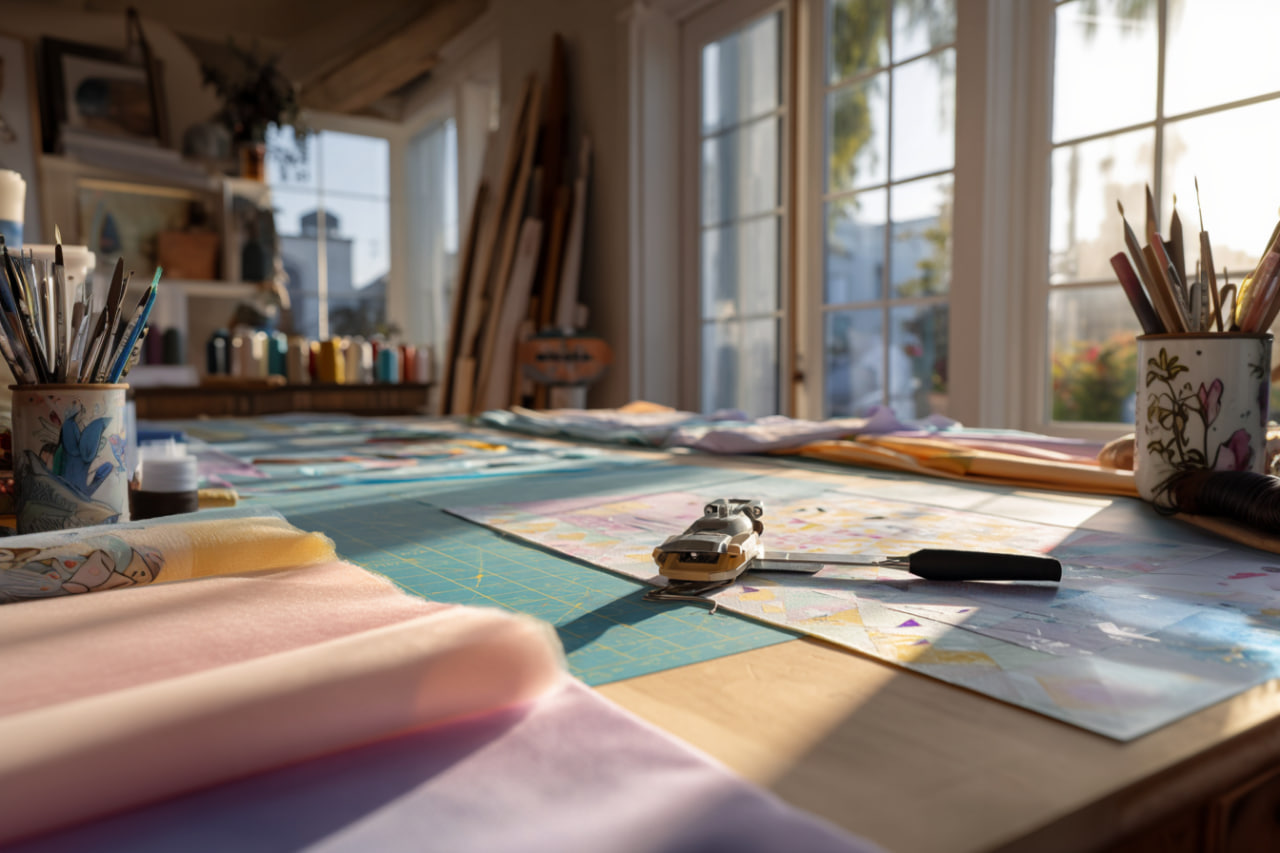
✔ Use a Rotary Cutter for Straight Lines: Particularly helpful for quilting and pattern cutting.

✔ Cut on a Flat Surface: A cutting mat or large table prevents shifting.

✔ Follow the Grainline: Align pattern pieces with the fabric grain to maintain drape and durability.

Practice Seam Accuracy

A straight, even seam is the backbone of good sewing.

✔ Use Seam Guides: Most machines have seam allowance markings on the plate. You can also apply masking tape as a guide.

✔ Backstitch at Seams: Start and finish each seam with a few reverse stitches to secure the seam.

✔ Finish Raw Edges: Use pinking shears, zigzag stitches, or a serger to prevent fraying.

Press As You Go

Professional sewing is defined by crisp, clean lines—and pressing is key.

✔ Press, Don’t Iron: Lifting and pressing sets stitches in place. Ironing can distort seams.

✔ Use a Pressing Cloth: Protect delicate fabrics with a thin cotton cloth between your iron and the fabric.

✔ Set Seams First: Press seams flat before pressing them open or to the side.

Don’t Skip the Test Swatch

Before starting your final garment, always test your stitch settings and tension on a fabric scrap.

✔ Test Interfacing: Apply interfacing to a test piece to check for puckering or bubbling.

✔ Check for Needle Damage: On delicate fabrics, ensure your needle doesn’t snag or leave holes.

Build Your Skills Gradually

Each project is an opportunity to improve.

✔ Start Simple: Begin with pillowcases, tote bags, or elastic-waist skirts before tackling more advanced garments.

✔ Take Notes: Keep a sewing journal with notes on patterns, alterations, and techniques.

✔ Learn from Mistakes: Mistakes are part of the process. Don’t rip everything out—sometimes flaws can be creatively hidden or embraced.

Conclusion

Sewing is both an art and a discipline. With the right mindset, tools, and habits, even a beginner can produce beautiful, lasting garments and accessories. Whether you sew for practical needs, creative expression, or professional work, these tips serve as a foundation for ongoing learning and success. So thread your needle, press your seams, and let each stitch take you one step further on your sewing journey.

Want some more? Here...